Recipher 2
On our creative coding exhibition, the second part
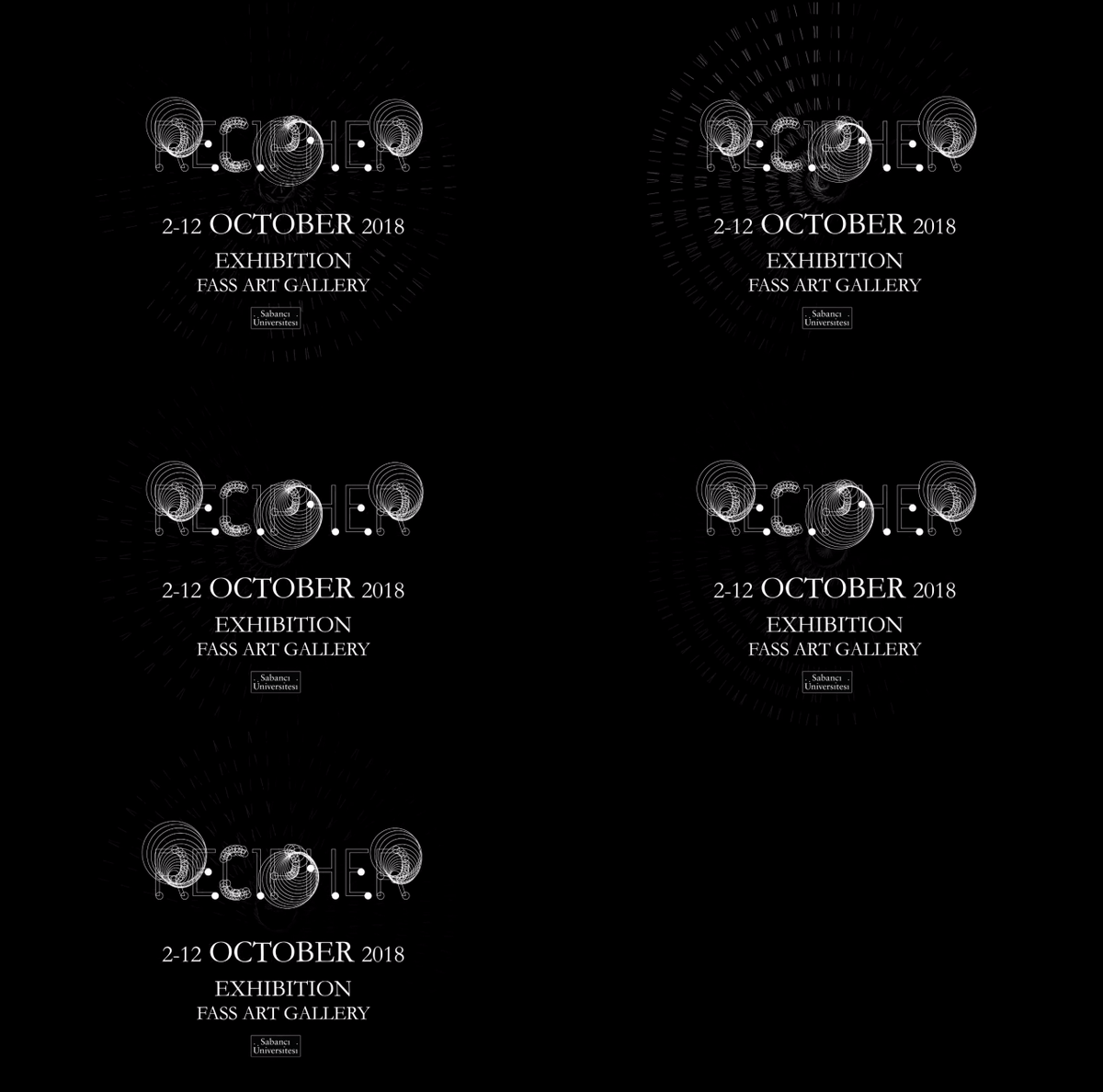
I had the chance to be part of an incredible group of people. This was when I took the class Creative Coding from an incredible professor Selcuk Artut. This was a time when I was kind of new to Computer Science. I had a vision in my head, something that I want to produce but I was stuggling with lack of knowledge. This process was pretty transformative for me since I had to learn a variety of topics and immediately had to find a way to use them. At the end we had an exhibition named Recipher. I am going to present what I did here and talk about what I thought, what I did and could not and so on. Here are some links for our exhibition so that you can check other works of my incredible talented classmates: 1 , 2. It turns out there will be multiple blog posts about this because I could not finish what I wanted to say. I wish this could be more compact and succinct but I cannot shut up about this apparently.
TLDR; I have learnt to share what I produce with other people, contribute their works, and with enough persistance there is a pretty big room for growth.
There is something different with visual arts. I don’t know if it is because more than 50 percent of the cortex is specialized to processing visual information or not. Seeing and experiencing a visual stimulus can be quite intriguing. With a computer, you can create incredible visuals and that was what I wanted to do.
In simple terms, creative coding is the process of programming for expression. There is basically no limit to how you express yourself. Ofcourse contrary to that, there are lots of boundaries and limits to in what depth you are to be understood in that matter.
In creative coding, you are programming visual elements on a canvas to orchestrate the delivery of this “expression”. We utilized Processing Framework for this. This is a framework developed by 2 remarkable minds Ben Fry and Casey Reas.
The idea that everything consists of multiple fundamental visual elements was always striking to me. I know there is nothing to be surprised about this but still it is like a magic trick to me. Imagine the lines and dots are put in their places one by one for a drawing. At some point the arbitrary bundle of elements are recognized by the audince as a representation of “something”. A face, or a building, or Saturn with its majestic rings. There is a time where this fraction occurs. Even before that, our brains pick up some of them interpret them according to our experiences and so on. At the end ,hopefully, each mind converges to the same “idea” of a form of representation. I wanted to recreate that. With code.
So I first started to discover the framework. I tried to make something like Big Bang. An explosion out of nowhere, and then it collapses on itself, again and again. There was a force dictating this motion. Ofcourse, as far as I know, a cold death is awating our universe… I could not do that obviously, there would be nothing to see there! Here is an incredible video on the future of the universe.
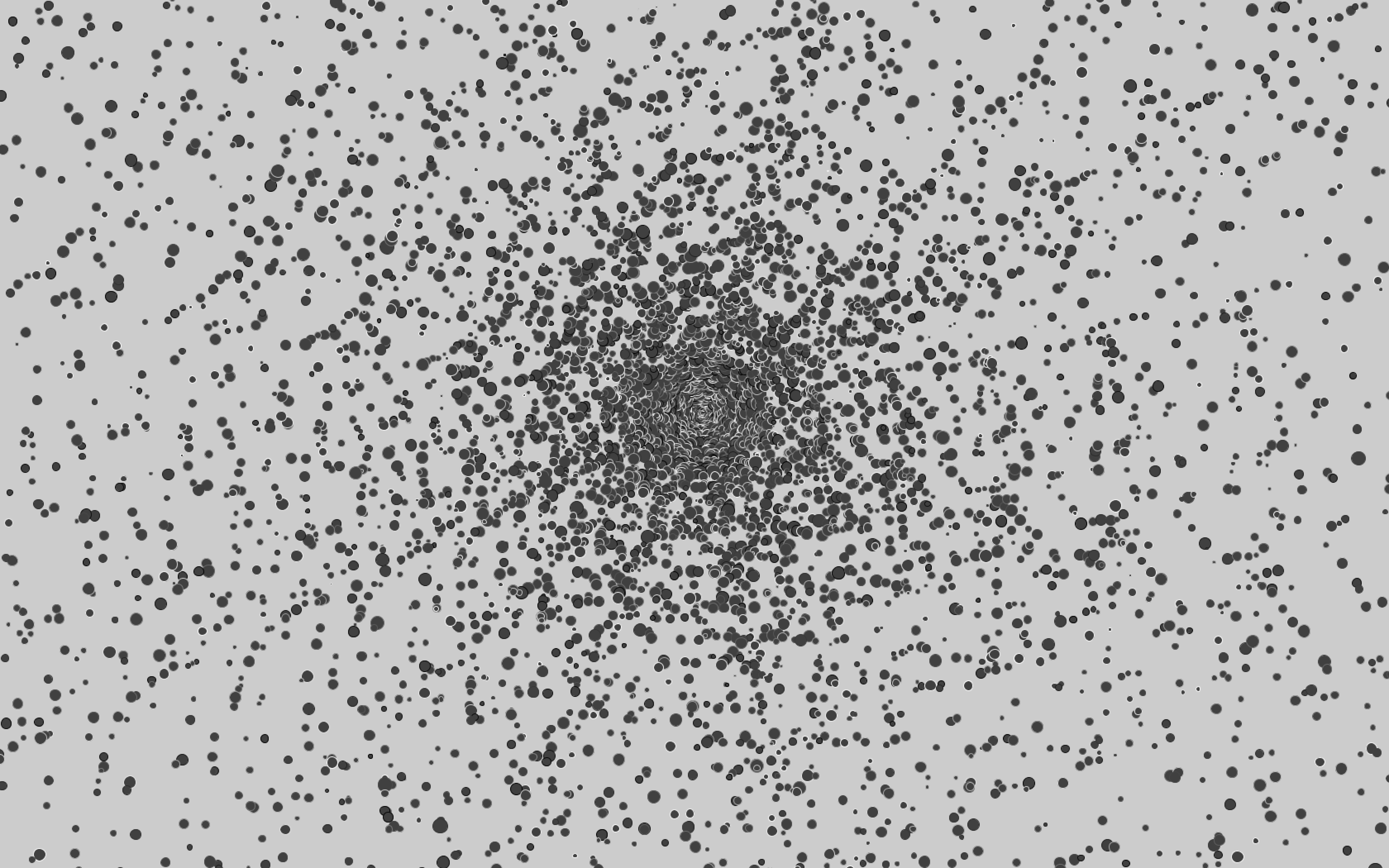 Figure 1 : Snapshot of the explosion scene
After that, I tried some rotation and geometries.
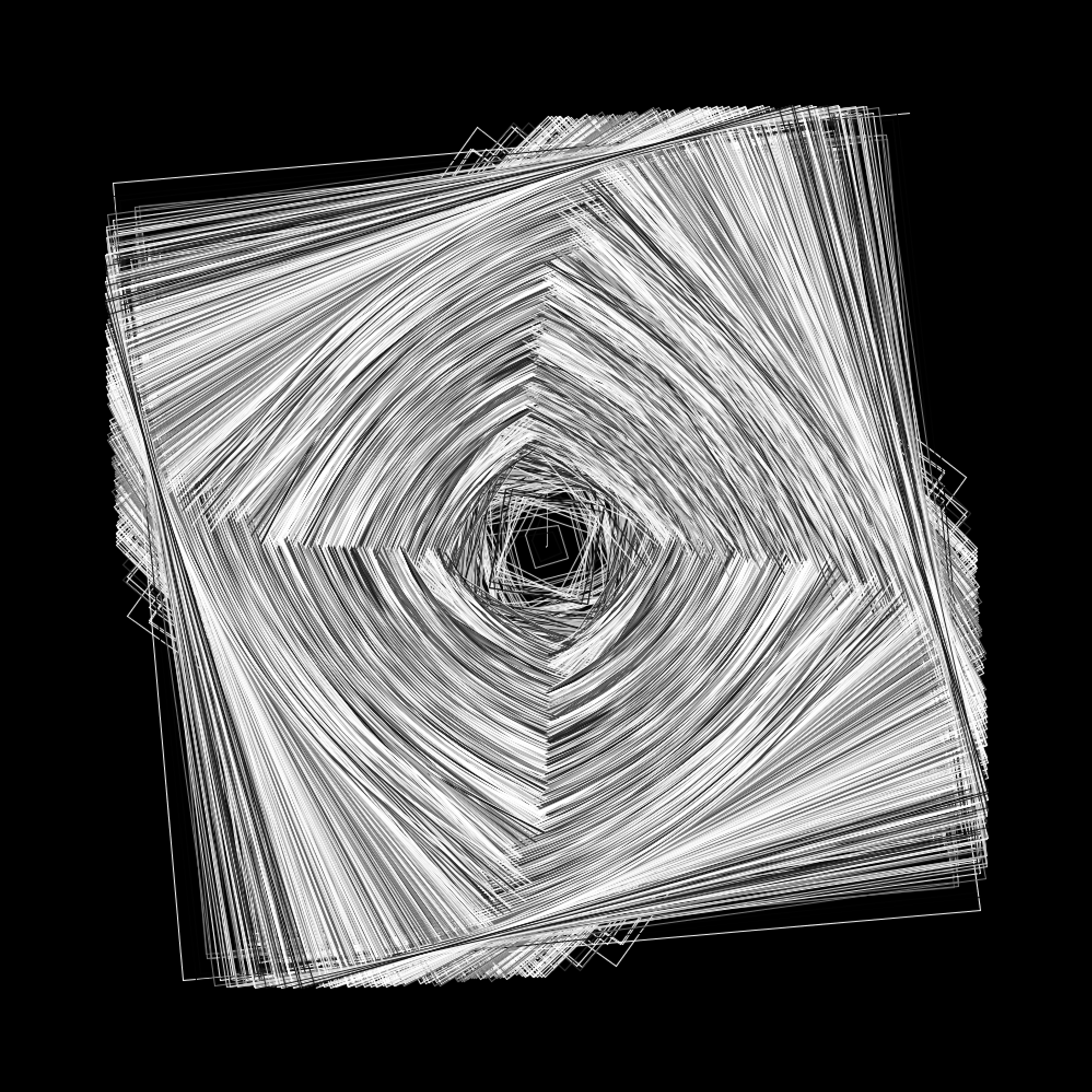 Figure 2 : Snapshot of a rotating deltoid
I had something vivid in my mind. I wanted something chaotic, something that is kind of “alive”. I wanted to show this liveness in an indirect way. In my mind, the things that are “alive” are not visible, but they would leave traces behind. I discovered the Flocking Behavior at this time. This is basically imitating a swarm of birds or generally speaking the movement of alive agents based on simple rules on their behavior. The first thing I coded was bunch of agents that try to stay away from each other and go towards a destination.
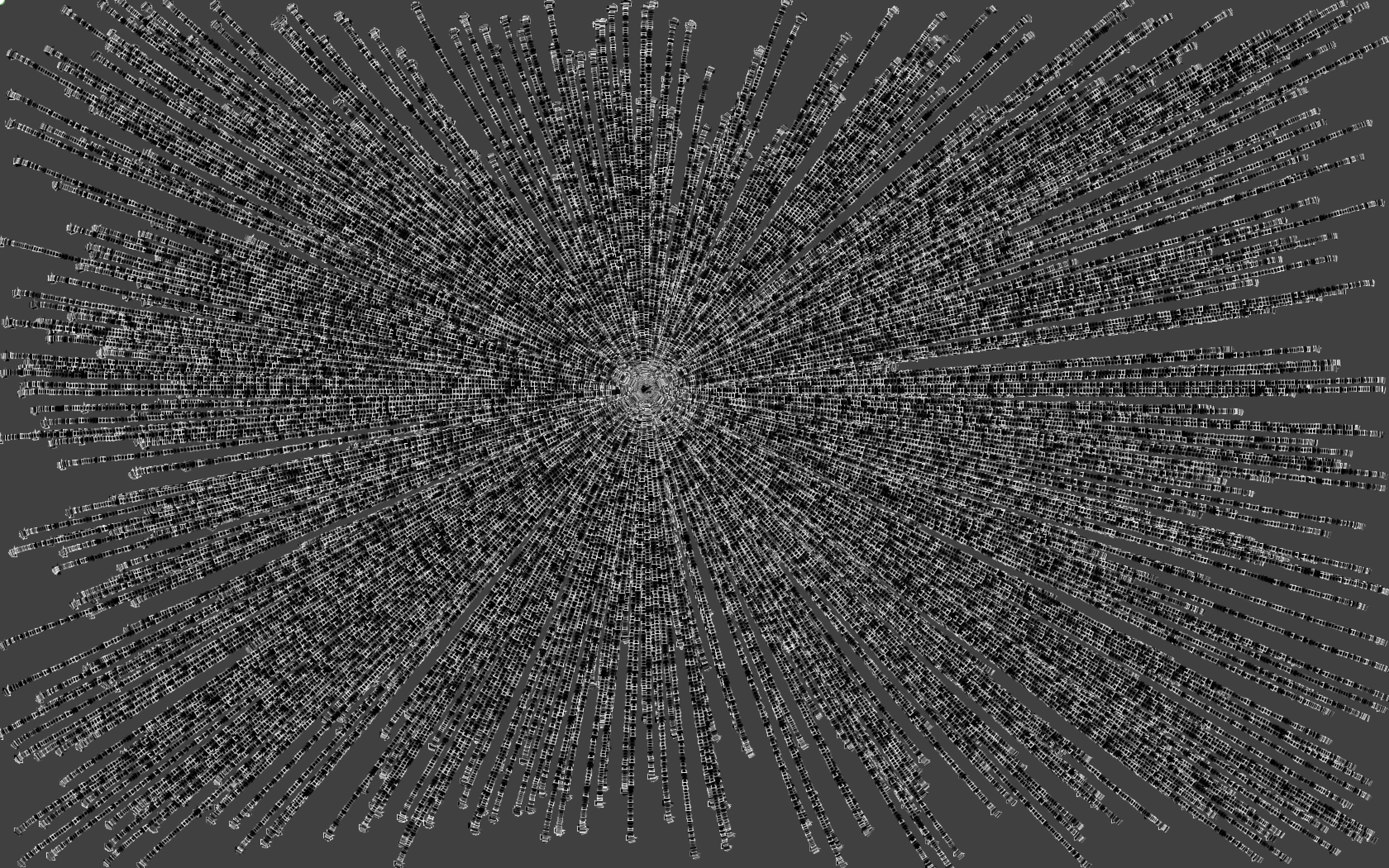 Figure 3 : Flocking behavior, moving towards a target
There is something interesting though, it was not fun to watch them in a refreshing background. To identify traces left behind, they should stay there. In the Figure 3, I discarded refreshing. It gets dirty immediately, as I wanted … The emulation of flocking behavior is now under the “dirt” now.
After countles thoughts, experiments, what I call at phase 5, there were some glimpses of what I had in my mind. I tried lots of rules imposed on these so called “agents” and threw them on the canvas and watched what happens. The first move was making them invisible. They were there mathematically - and in the memory of my computer - as an imaginary number, unsketched. I have to admit, calling them agents feels sophisticated and weird.
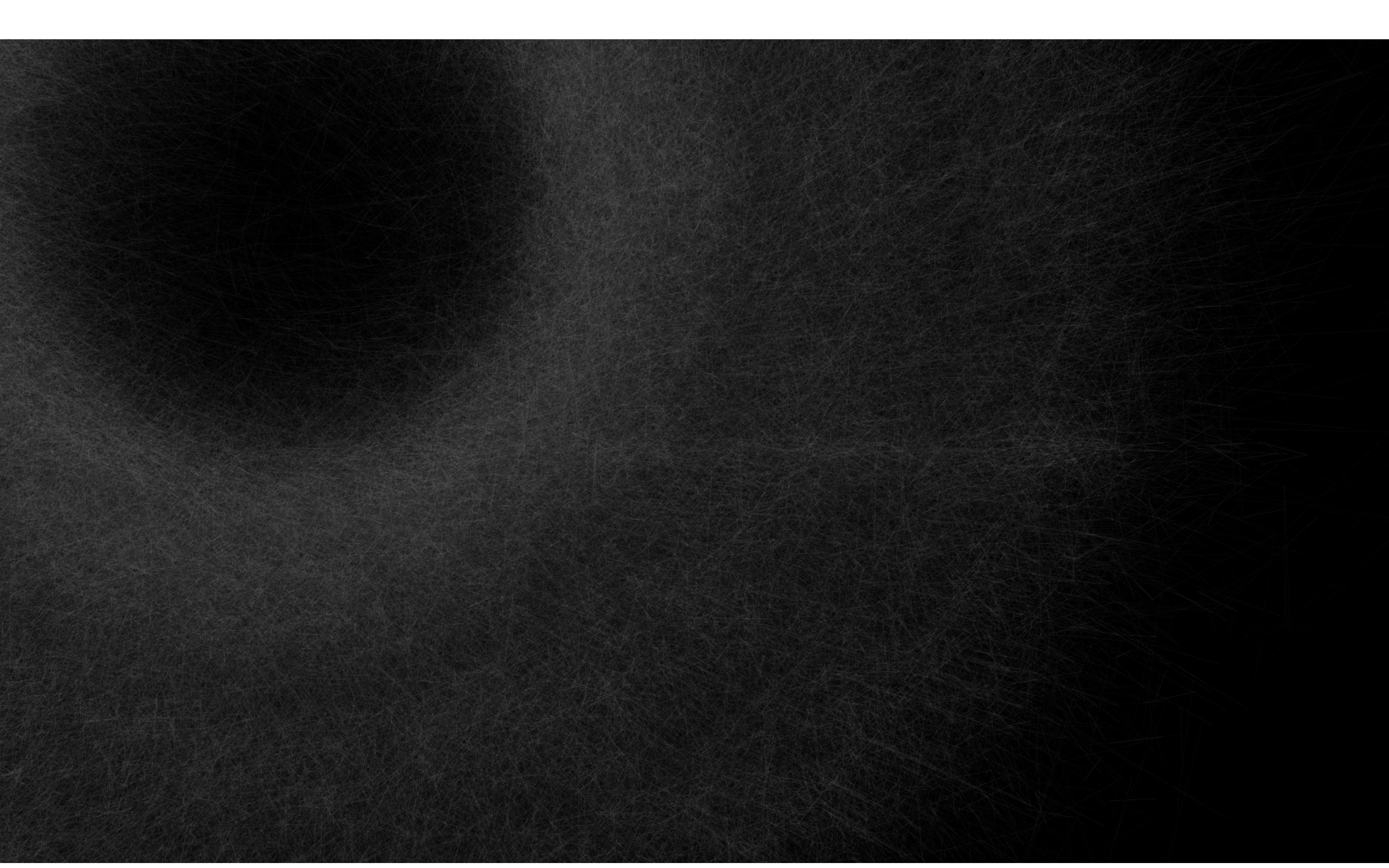 Figure 4 : Phase 5, in a 3d space the first traces behind bunch of agents, turns out I was wathching PBS Spacetime more than I should
Even though I loved blackholes, I didn’t want to “make” them here. This was actually pretty enlightening for me because I was developing an intrinsic understanding of the consequent projection of flocking rules. I then tried something pretty original… Put the agents on a horizontal line. In my defence, I was still trying to understand… This was quite fascinating to watch for me back then. I wish I recorded how this is formed …
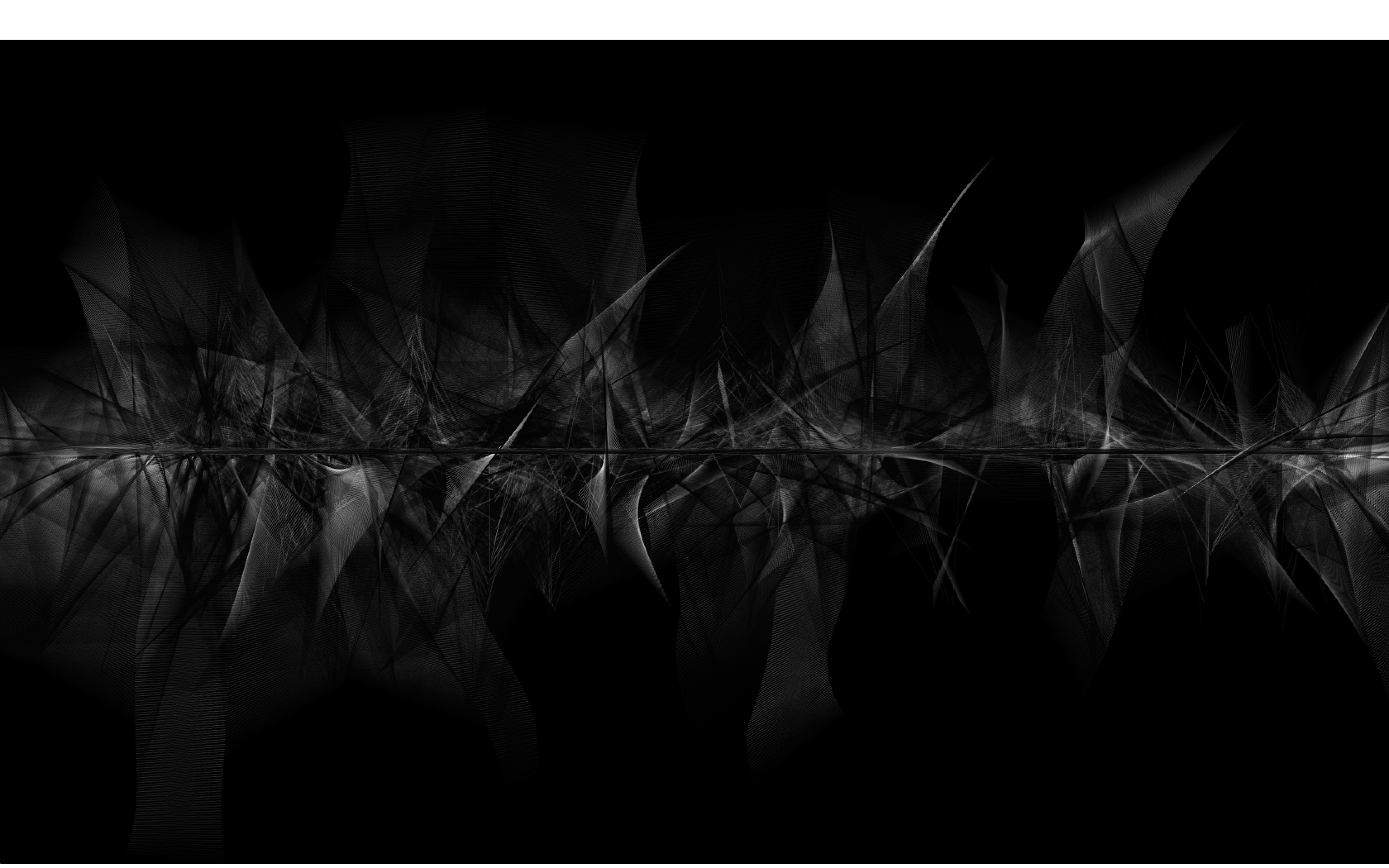 Figure 5 : Phase 5, in a 3d space the trace behind bunch of agents on a line
This was the first that was close to what I had in my mind. Now this looks like a real blog… It turns out I was waiting for this moment to talk about this so I could not finish in one post…
See you in the next one ! I suck at endings for sure.
On our creative coding exhibition, the second part